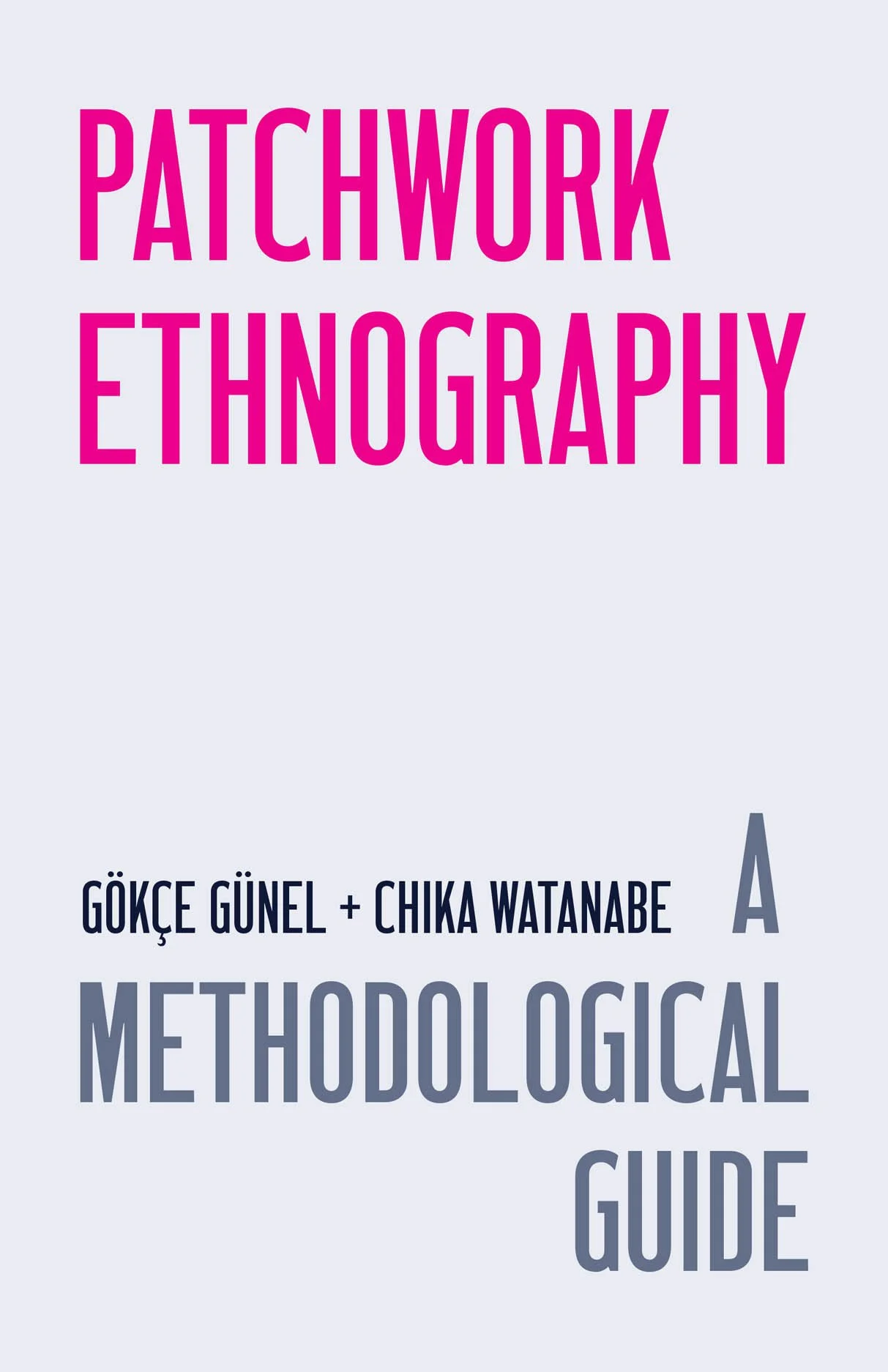
Patchwork Ethnography Winter School
We are excited to announce the first cohort of the Patchwork Ethnography Winter School. Please find their brief bios below!
Taking place at Rice University’s Rice Global Paris Center from December 14 to 18, 2026, the Winter School is an opportunity for us to share the exercises that comprise the five chapters of our book, Patchwork Ethnography: A Methodological Guide. We will respond to these exercises with 10 PhD students from around the world. Over five days, we will explore new strategies for ethnographic training that acknowledge the ways researchers’ personal lives shape knowledge production.
We are hoping to repeat the Winter School next year, so please check this website for future announcements.

David Curtiss is a PhD student in Sociology at Brown. His research investigates the linkages between identity, belonging, and political economy for Black Americans who work, live, and relocate to the continent of Africa as historical diasporans, with a special focus on exploring the various ways these movements are mediated by co-ethnic brokers who translate affective desires for return into pathways of settlement and incorporation. As part of his project, David is conducting an ethnographic study following Black American charity volunteers in Uganda as they negotiate the politics of racial belonging within broader regimes of Western aid in postcolonial Africa.
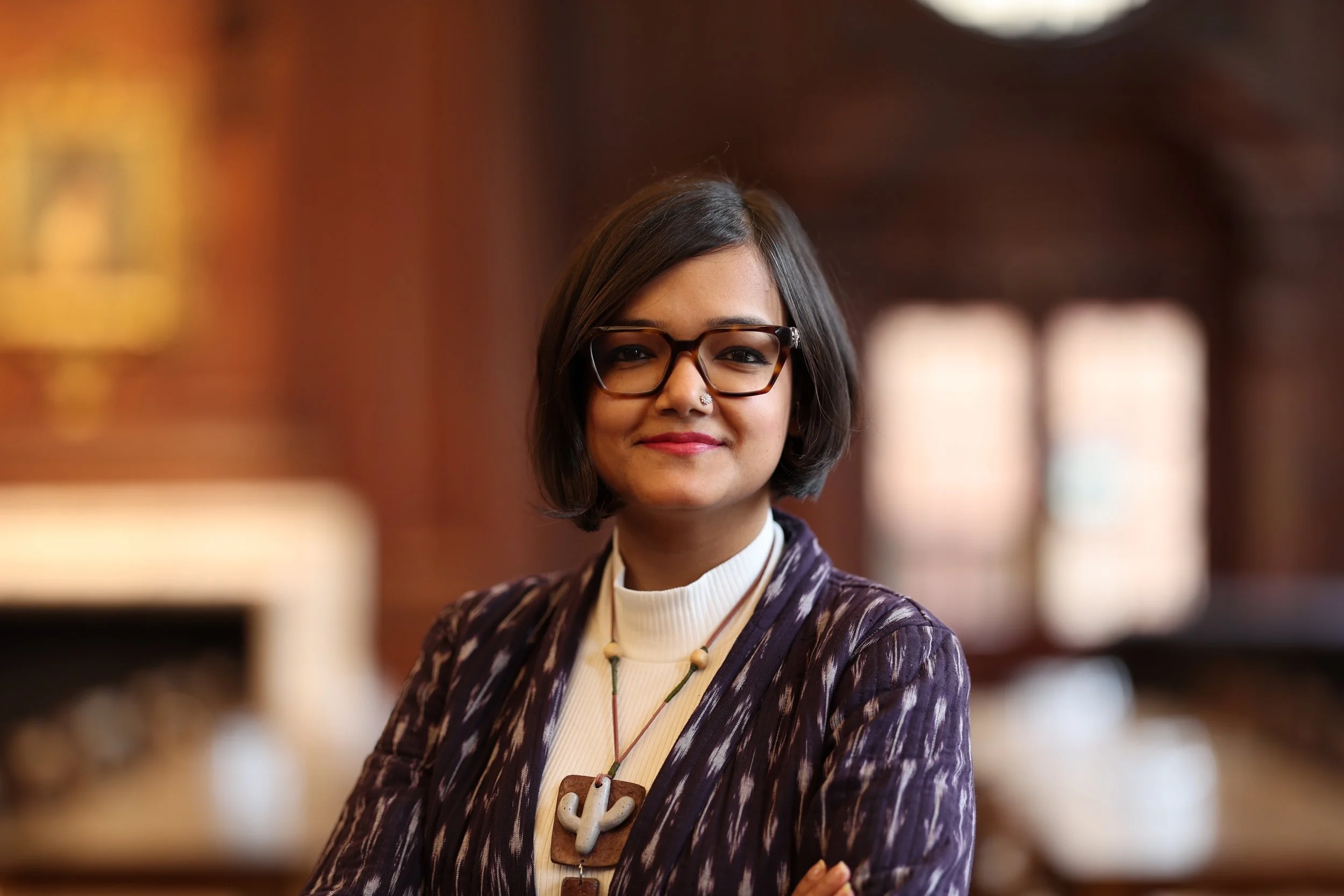
Neetika Vishwanath is pursuing a DPhil in Criminology at the University of Oxford, funded by the Oxford India Centre for Sustainable Development. Her research is an ethnographic study of decision-making and discretion in India’s criminal courts dealing with sexual offenses against children. Trained as a lawyer in India with over a decade of experience in criminal justice, she holds graduate degrees from Harvard Law School and the Tata Institute of Social Sciences, Mumbai. She is the co-founder of The Square Circle Clinic at NALSAR University of Law, one of India’s leading centers for pro-bono criminal defense and criminal justice research.
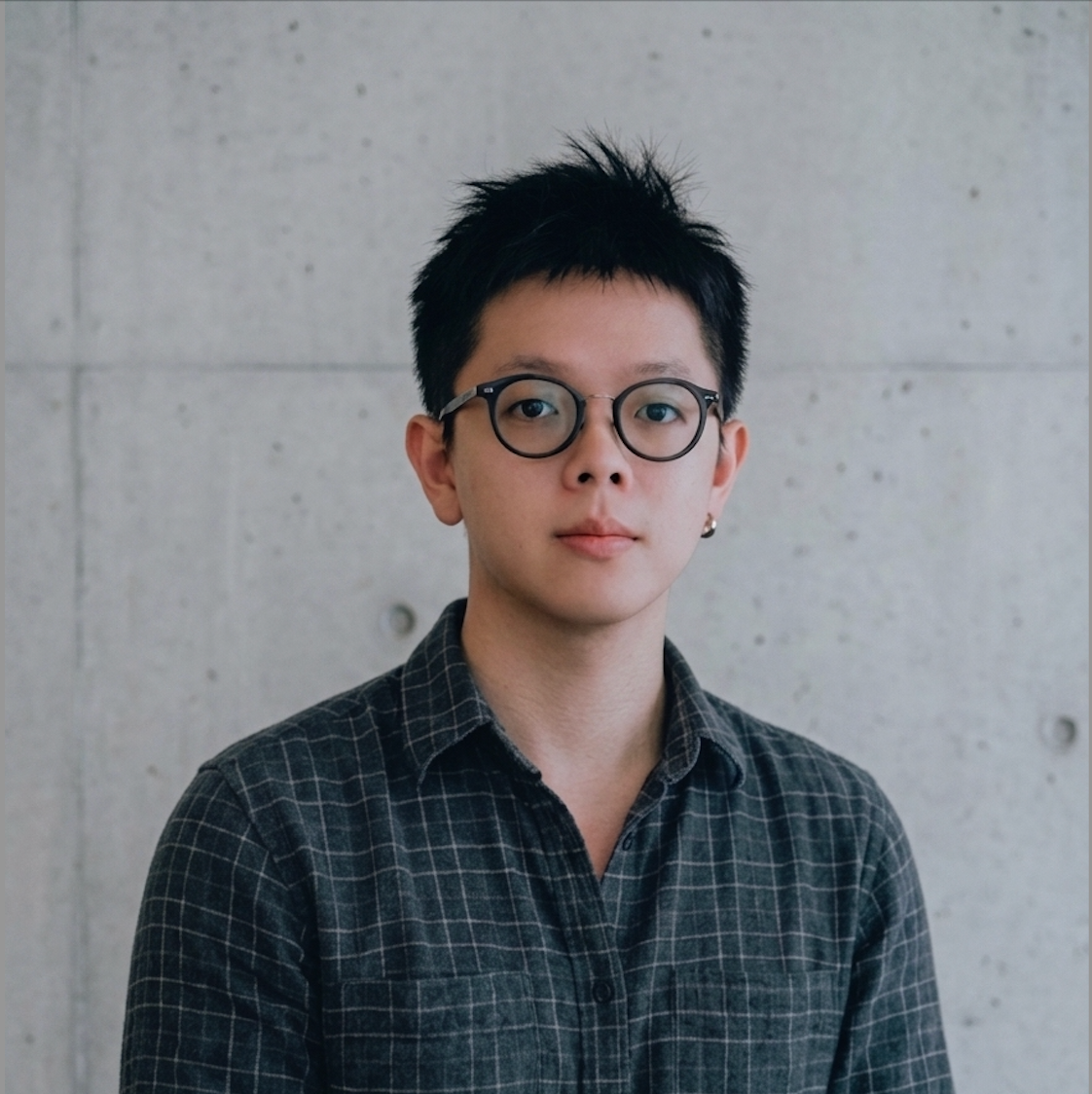
NGA Shi Yeu is a PhD candidate in Social Anthropology at Stockholm University. He is a Wenner-Gren Wadsworth International Fellow and serves as an editor for the Taiwan Insight blog at the University of Nottingham. In the more-than-human healthcare praxis, his project examines how particular self-nurturance emerges amid excess and scarcity in gut ecologies, and how scalable values are cultivated through eating good bacteria in Taiwan. His interests include feminist posthumanism, critical food studies, political ecology, semiotic materialism, multispecies theory, and biocapitalism, with a focus on speculative wellness and future promises in East and Southeast Asia.
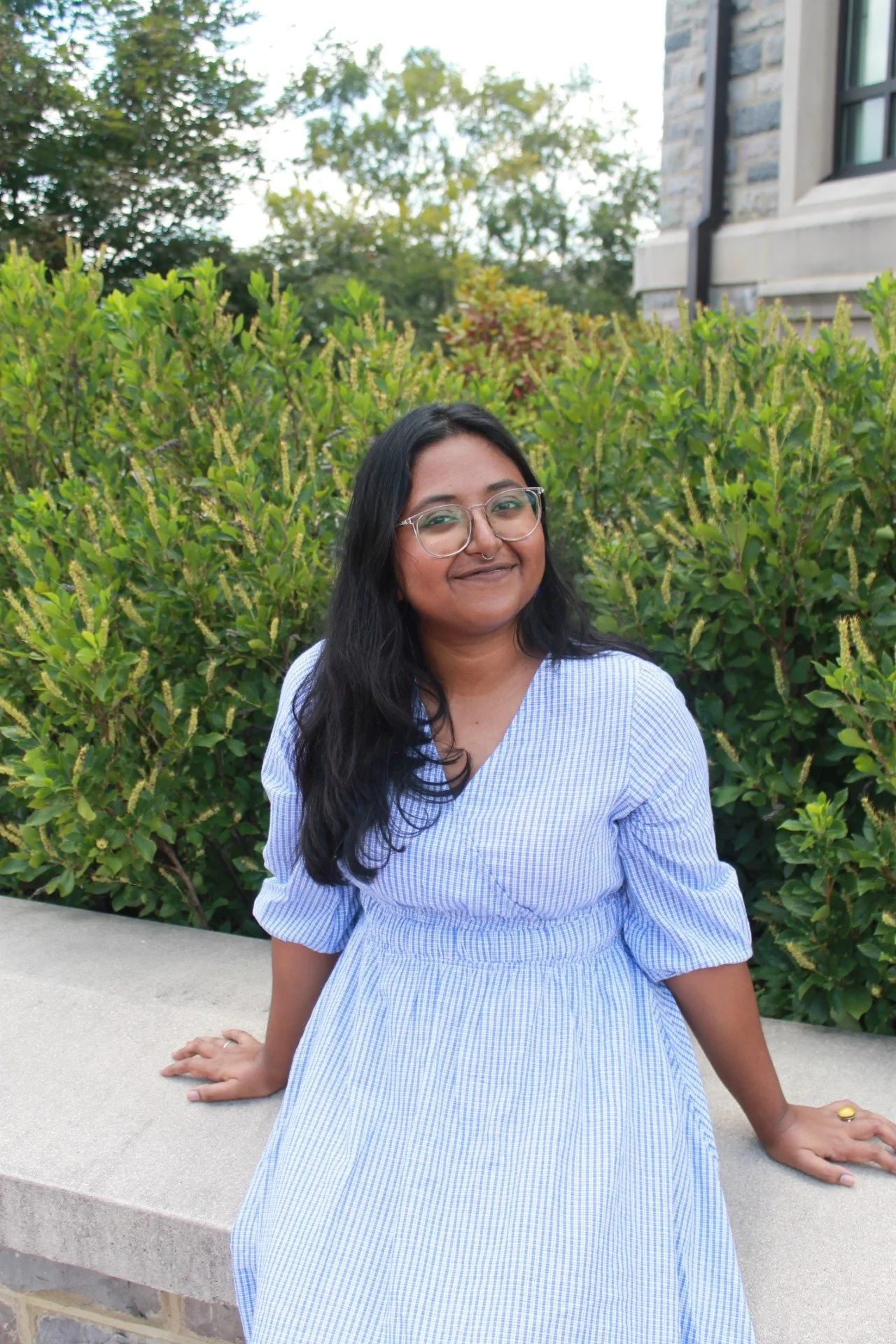
Deepsikha Dasgupta is a PhD student in the Department of Science, Technology, and Society at Virginia Tech. Her doctoral research explores how cardiac pacemaker implants reshape experiences of embodiment, mortality, and human-machine relationships, with a focus on the bioethical dimensions of pacemaker reuse from the Global North to the Global South. She holds an MA in Sociology from South Asian University, New Delhi, and a BA in Sociology from Presidency University, Kolkata. Her earlier work includes ethnographic research on Maa Sitala, the Hindu Goddess of epidemics, and religious responses to COVID-19 in West Bengal, India.
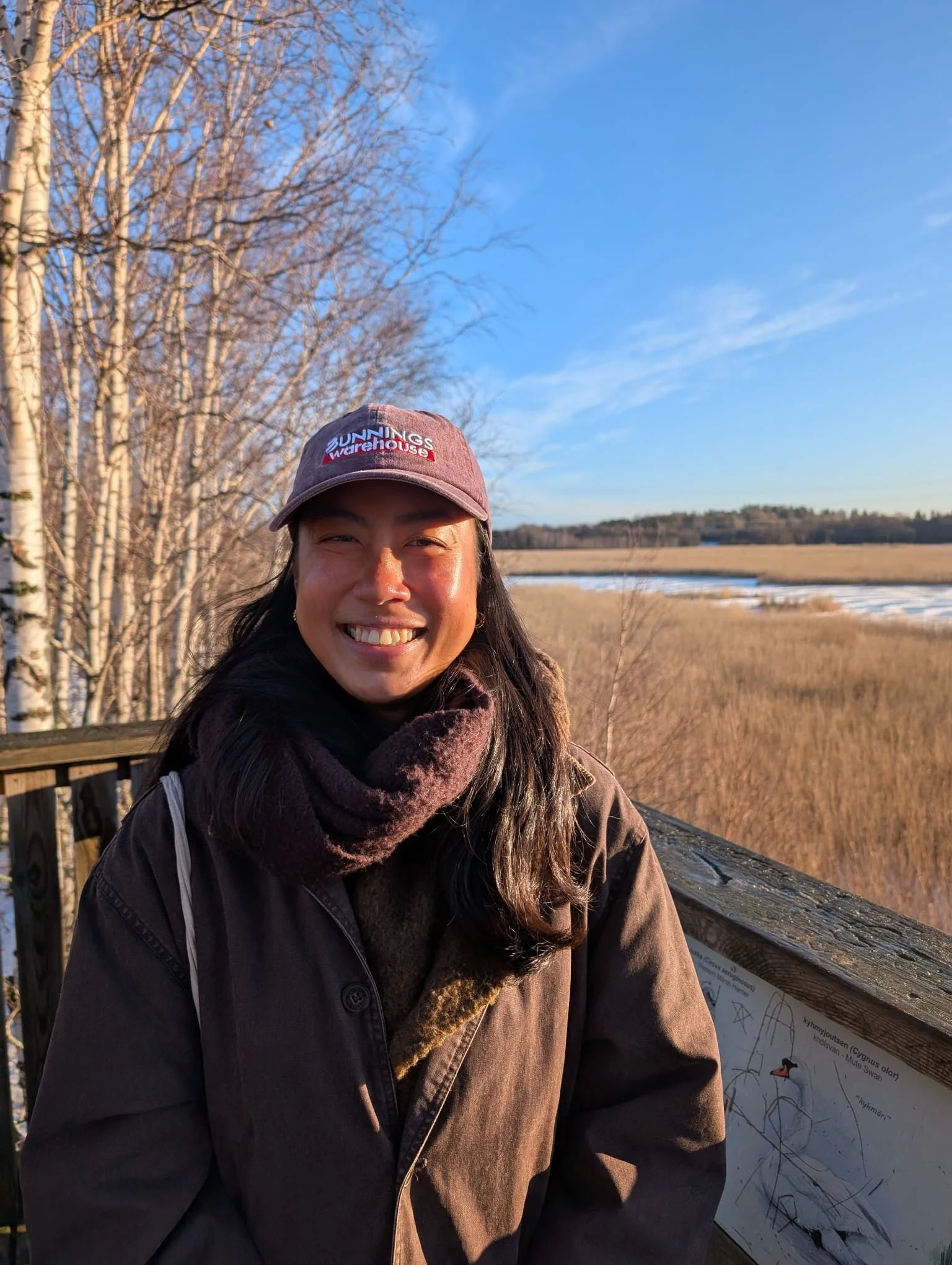
Lise Sasaki is a PhD candidate in Anthropology at the University of Sydney. Her dissertation examines how motherhood is cultivated and reimagined in rural Japan. Drawing on fieldwork in Tosa-chō, Kōchi Prefecture, it traces how female ijyūsha (domestic migrants) and local women (including the strong-willed hachikin of Kōchi) remake kinship and belonging beyond the nuclear family. Attending to the intergenerational bequeathing of cultural knowledge and to negotiations between newcomers and locals, the project asks how family is constituted not horizontally through biology, but vertically through community, bonds of place, and shared ways of living.
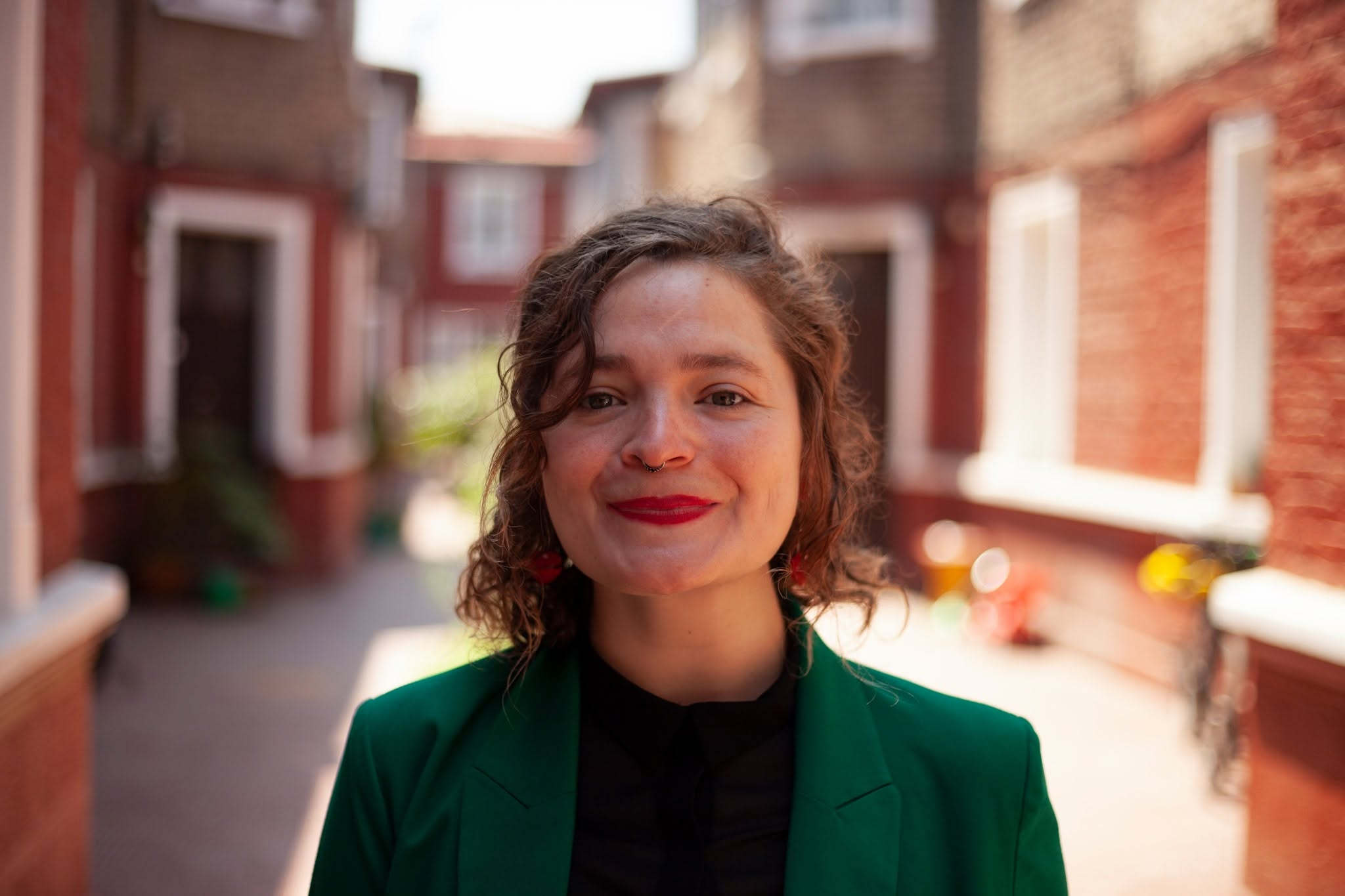
Constanza Tizzoni is a PhD candidate in Anthropology at the Pontificia Universidad Católica de Chile and at the Millennium Institute for Research on Violence and Democracy (VioDemos). Since 2017, her research has focused on intimacy, care, urban everyday life, and inequality in Chile. Her doctoral project examines stray bullets, commonly known in Chile as balas locas (“crazy bullets”), in La Pintana, a low-income neighborhood in Santiago de Chile, where recurrent shootings affect everyday life. Rather than treating them as isolated accidents, she approaches them as a sedimented possibility that reshapes dwelling, care, and mobility.
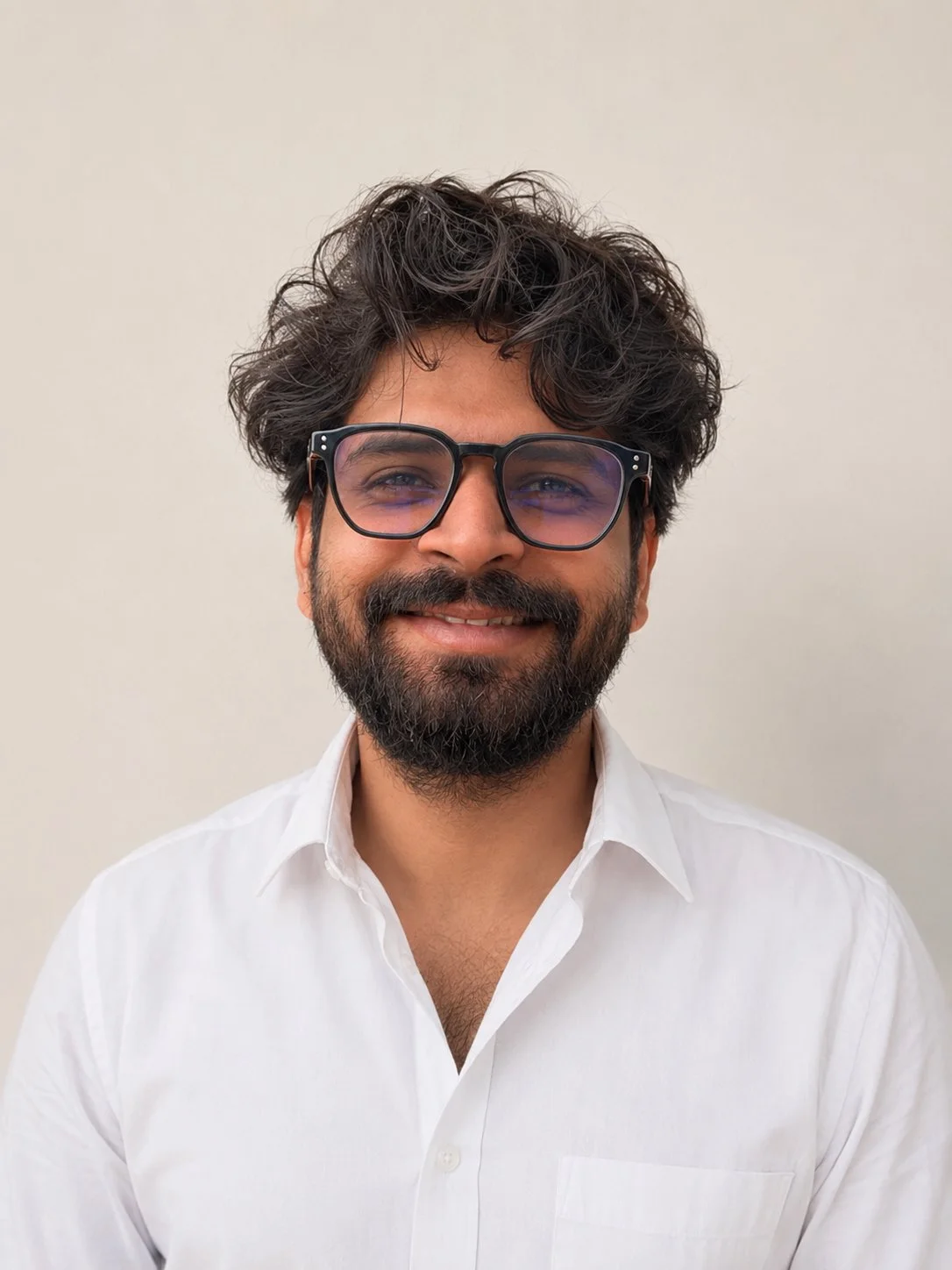
Shubham Yadav is a PhD student and Senior Research Fellow at Zakir Husain Centre for Educational Studies in Jawaharlal Nehru University, India. In his dissertation, Pedagogical Dimensions of the Indian Constitution: A Study of its Making and Functioning, he examines the Indian Constitution and foregrounds that this politico-legal framework also serves pedagogical purposes. He is interested in exploring the interface of legality, politics, and pedagogy by identifying the forces that design and control behaviors, initiated and operationalized within legal systems. He seeks to unpack how ‘pedagogical is political’ and how ‘political is pedagogical’.
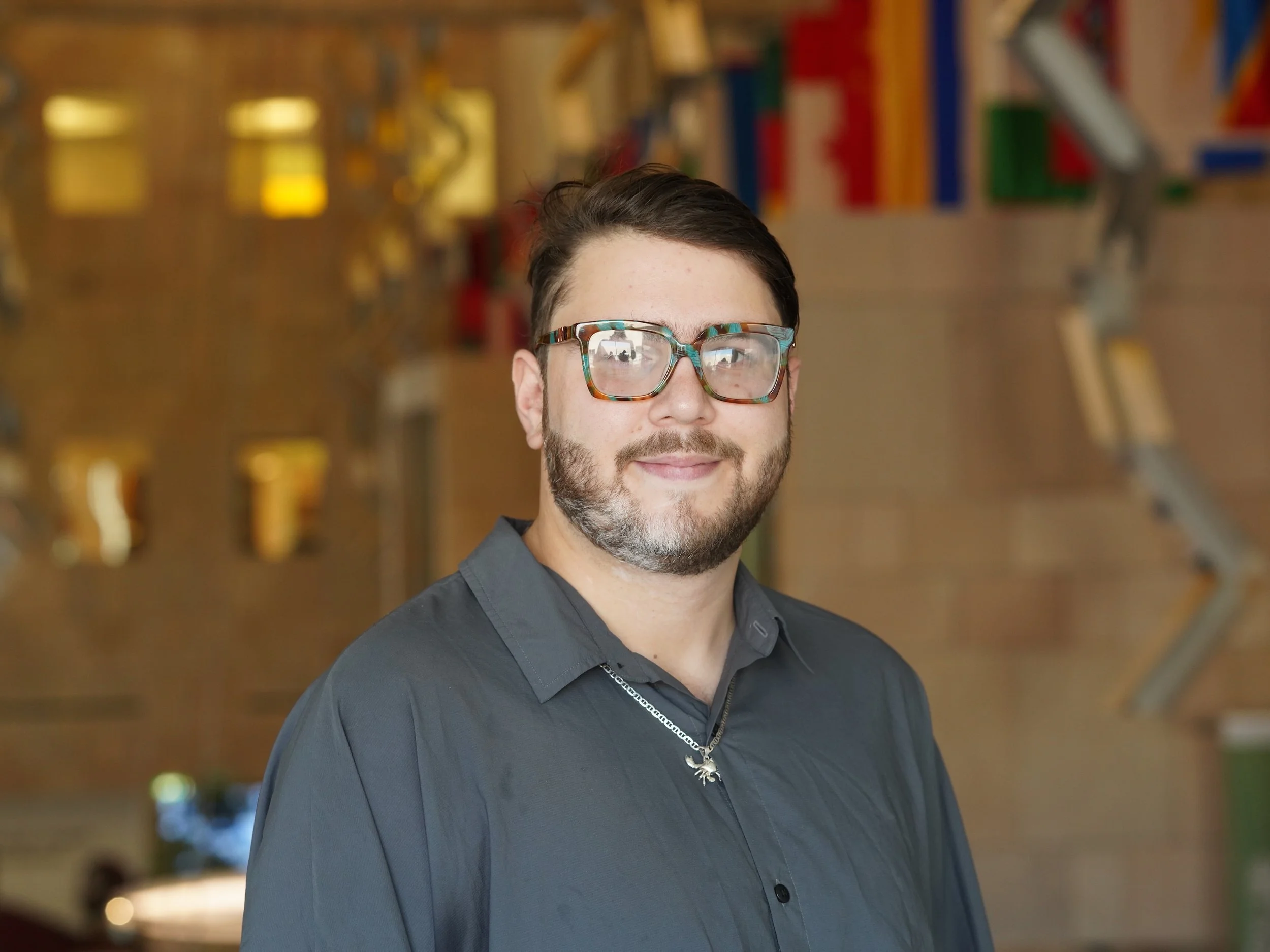
Syed Taha Kaleem is a PhD Candidate in Anthropology at Brandeis. His dissertation investigates how Qatar’s fossil-fuel economy shapes material infrastructures and economic hierarchies while also producing, regulating, and reconfiguring gendered subjectivities. By tracing the ways development projects, labor regimes, and social institutions mediate experiences of sexuality, he explores how state power, economic privilege, and cultural norms intersect in everyday life. Kaleem is a graduate fellow at the Crown Center for Middle Eastern Studies. He graduated cum-laude from Georgetown University Qatar.
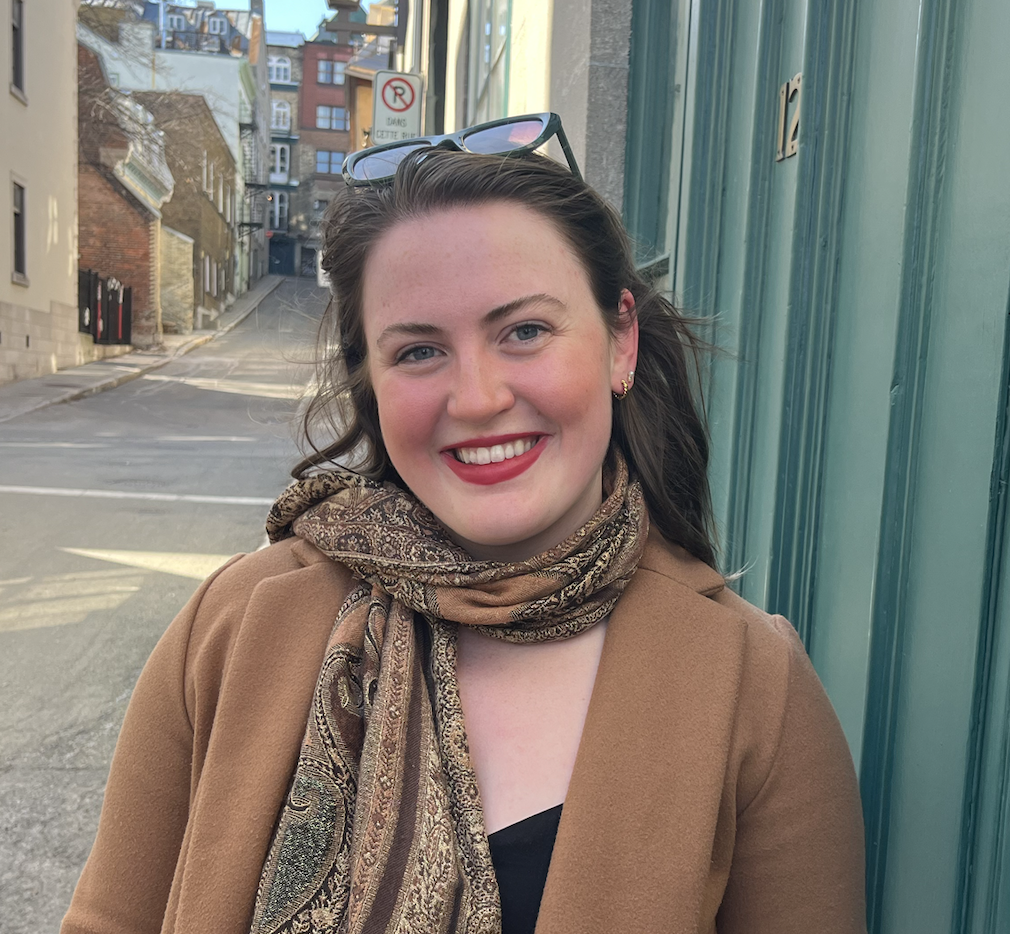
Katelyn Zeser is a PhD student in Cultural Anthropology at Duke. Her work investigates how media technologies augment American evangelical religious experiences at church, school, work, and online. She positions emergent artificial intelligence tools, such as Jesus chatbots and text-to-image generators, within a vibrant ecosystem of well-established evangelical modalities, including radio and television, exploring how they shape global imaginaries around eschatology, religious nationalism, and missionary work. Katelyn holds a BA in anthropology and Middle Eastern studies from Dartmouth. Her area studies background informs a parallel interest in evangelical perspectives on the Middle East.
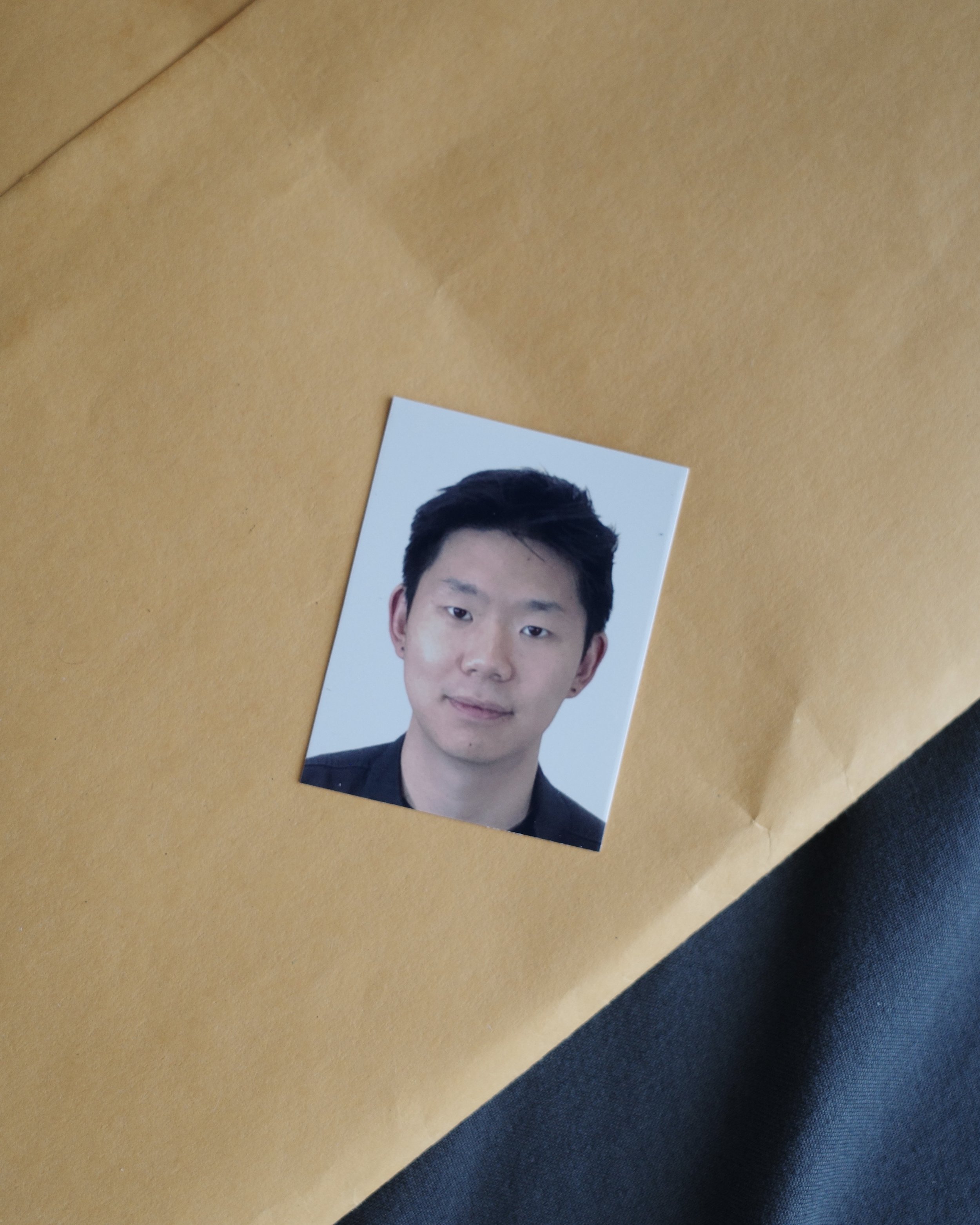
Muyao Jiang is a PhD student at the Annenberg School for Communication and Journalism at the University of Southern California. Muyao works at the intersection of technology, labor, and culture. His current research examines technology repair in South China as both a sociotechnical site for understanding how labor, knowledge, and innovation are being reconfigured amid the region’s transition from manufacturing-led growth to high-tech innovation, and a cultural site for exploring affects and cultures of endurance and hope under shifting conditions of socioeconomic precarity.